
Kemono: Your Ultimate Guide to Meaning and Trends
Go to HomepageKemono has become a familiar name among people interested in digital art, anime illustrations, independent creators, and online content archives. But what exactly is Kemono, and why does it appear in so many different online searches?
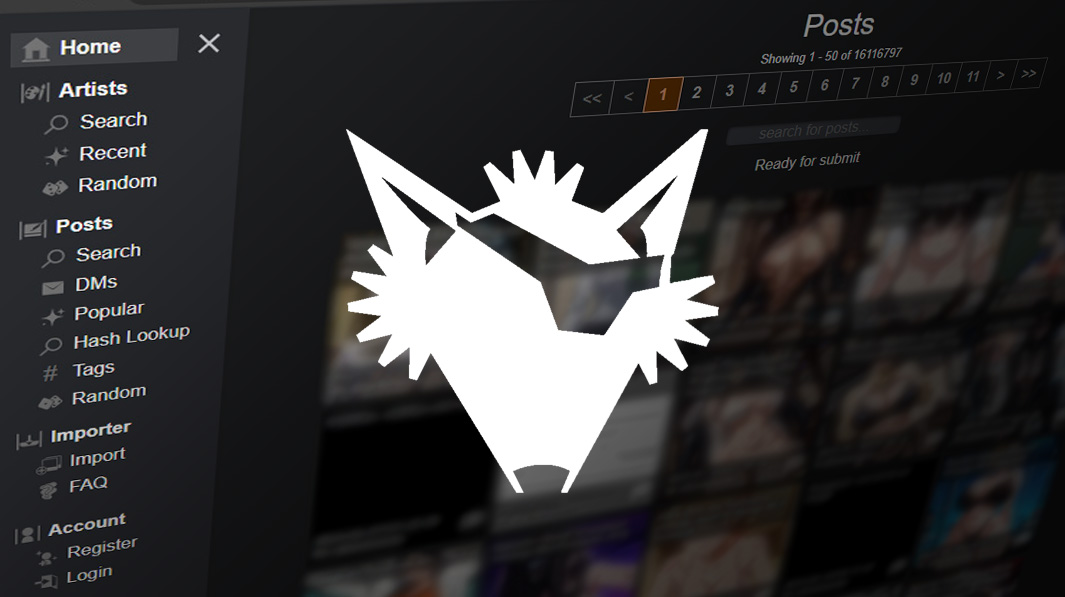
For some, Kemono represents a distinctive Japanese art style featuring expressive animal characters. For others, it refers to a public creator archive that collects posts, illustrations, and other digital media originally published across subscription-based platforms.
The distinction matters, especially in 2026, when questions about the archive's reliability, safety, content availability, and copyright have become increasingly relevant.
Whether you're searching for a particular artist, researching anime artwork, or simply trying to understand how the platform operates, this guide explains the essentials without the confusion.
What Is Kemono, and What Is It Used For?
Kemono is a name associated with two different concepts: Japanese anthropomorphic animal art and a community-operated website designed to archive creator content.
In the context of online platforms, Kemono is a public creator-content archive that organizes copies of material originally published through services such as Patreon, Pixiv FANBOX, and Fantia.
Rather than functioning as a traditional social network, the archive focuses on collecting and indexing existing posts. Visitors can browse creator profiles, examine archived publications, and search for material associated with different accounts.
Its main purpose is to bring content from multiple creator platforms into a centralized archive. Depending on the available material, visitors may encounter illustrations, images, videos, documents, descriptions, and downloadable attachments.
The archive relies heavily on community contributions and imported material. This means that the availability of content depends on successful imports rather than a conventional publishing process in which creators upload everything directly to their own Kemono profiles.
An important distinction is that Kemono is not the original publisher of most material appearing in its archives. The content generally originates from independent creators and third-party platforms. This difference becomes especially important when considering copyright, redistribution, and creator permissions.
What Does Kemono Mean in Japanese Culture?
The word kemono (獣 or けもの) translates roughly to "beast" or "animal" in Japanese. Within anime, manga, and illustration communities, however, its meaning extends beyond the dictionary definition.
Kemono art commonly features anthropomorphic animal characters that combine recognizable animal anatomy with human-like expressions, personalities, or behavior.
Imagine a fox character wearing a jacket, a wolf standing upright, or a cheerful animal mascot with exaggerated anime-style eyes. These designs can all fall within the broader world of kemono art.
Kemono Anime Art vs. Traditional Furry Art
Although kemono and furry art share similarities, they aren't necessarily identical in cultural background or visual presentation.
Kemono artwork frequently emphasizes large expressive eyes, soft facial proportions, stylized animal features, distinctive ears, muzzles, paws, and tails. Colorful character designs and anime-inspired expressions are also common elements of this visual style.
The related term kemonomimi usually describes characters that remain predominantly human but possess animal features, such as cat ears or a fox tail.
Kemono characters, by comparison, tend to retain a more distinctly animal-like appearance. Their overall design places greater emphasis on animal anatomy while incorporating expressive elements associated with Japanese animation.
"Kemono character design works because the animal identity remains recognizable, while expressive features make the character emotionally relatable."
— Dr. Naomi Ishikawa, fictional Japanese visual-culture researcher.
Understanding this distinction helps explain why searches for kemono anime art sometimes lead to illustration communities, while searches for kemono site lead to entirely different websites.
How Does the Kemono Public Archive Work?
The Kemono archive operates around a relatively straightforward principle: collecting existing creator posts and organizing them into searchable collections.
Unlike a conventional content platform, it does not primarily revolve around creators publishing new material directly to their own Kemono accounts. Instead, it relies on imported material associated with accounts on external services.
Which Platforms Are Associated With Kemono?
The archive has historically been associated with several content platforms. Patreon is known for membership-based illustrations, videos, podcasts, and digital rewards. Pixiv FANBOX focuses heavily on Japanese illustrations, manga, and creator subscriptions, while Fantia provides membership services for independent artists and other content creators.
Gumroad is commonly associated with downloadable digital products, templates, and art collections. SubscribeStar and Boosty provide membership-based publishing environments, while Afdian offers creator support services. Discord has also appeared among historically supported archive sources, although community discussions and private server content should not be confused with ordinary public creator publications.
These connections do not guarantee that every platform importer is currently operational. Technical changes, account restrictions, and unavailable services can affect whether older or newer material appears in the archive.
How Is Content Added to the Archive?
Historically, Kemono relied on community contributions to populate its database. The basic model involves material becoming available on an external creator platform, a contributor initiating an import through a supported mechanism, and successfully imported material becoming associated with an archived creator profile.
However, this process should not be confused with an official synchronization service. Kemono does not automatically receive every new post published by every creator.
Individual imports can fail, external platforms can change their technical systems, and previously accessible files may become unavailable. Importing also raises security and copyright concerns, particularly when third-party tools request authentication credentials or access to subscriber-only material.
How to Use Kemono: A Beginner-Friendly Guide
Understanding the archive's structure makes it easier to navigate, even when particular functions aren't working reliably.
The following explanation focuses on researching publicly accessible archive information rather than redistributing protected material.
Understanding the Website and Its Navigation
Start by distinguishing the actual archive from similarly named websites. Historically, Kemono has been associated with different domains, including Kemono.party and Kemono.su. As of October 2026, Kemono.cr remains a reachable domain associated with the archive, although reachability does not confirm that every feature works.
Be cautious about websites presenting themselves as official replacements. A familiar logo, similar homepage, or matching navigation does not establish that a website is connected to the original service.
The historical Kemono interface organized its content around creator profiles, archived posts, search tools, popular content, favorites, and an importer system. Some of these features may be missing, unavailable, or malfunctioning in the current version.
How to Search for a Creator
When researching an artist, start with the exact name used on their original publishing platform. An illustrator might use different usernames on Patreon, Pixiv, and other websites, making a single search insufficient.
Consider the creator's full public username, alternative spellings, known aliases, and the titles of recognizable artworks. Searching with the creator's name alongside the original publishing platform can also help narrow down results.
For the most accurate information, compare any archive result with the creator's original profile. This helps confirm authorship and reduces confusion when multiple artists use similar usernames.
Understanding Archived Posts
An archived post may contain a title, publication information, descriptions, images, or attachments. However, displaying a post does not necessarily mean that all associated media remains accessible.
A page can load successfully while its original images or downloadable files are unavailable. This is one reason why visitors sometimes encounter empty media previews or broken image links.
It is also important to distinguish the original publication date from the date content was added to an archive. These dates can be very different, particularly when older material is imported long after its initial publication.
Verifying the Original Source
Before relying on an archived post, check whether the creator has an original website, public gallery, or membership profile. This helps establish authorship, verify the age of the content, and identify creator-approved ways to view or purchase the work.
When researching a particular illustration, its original publication page is usually more useful than an isolated image file without a title or attribution.
How to Search Kemono for Anime Art and Creator Posts
Searching for artwork is often more challenging than searching for a creator's username. An illustration might have a generic filename, an untranslated title, or a description that never mentions the character depicted.
Consequently, a single keyword search may produce incomplete results. Combining identifying information can make research more effective.
Searching by Creator, Character, or Artwork Title
Creator names are generally a useful starting point when looking for archived publications. If you already know the illustrator, searching their exact username can help narrow down the results.
Character names are another useful reference, especially when researching illustrations associated with a recognizable anime or game series. Combining an anime title with a character name can help distinguish related artwork from unrelated publications.
Artwork titles and publication dates can also provide additional context. This is particularly helpful when an artist has created multiple versions of the same illustration or published a collection over an extended period.
Can Kemono Identify Unknown Anime Artwork?
Not reliably. Kemono is primarily an archive, not a specialized visual identification engine.
If you have an unidentified anime illustration, a reverse-image search service may be more useful for finding matching images, original publications, or artist credits.
After identifying the creator, you can visit their original portfolio to verify the artwork. This is particularly helpful when an image has been reposted without attribution.
What About Kemono AI Art?
Searches for kemono AI art and kemono AI-generated art refer to another growing area of interest: machine-generated illustrations featuring anthropomorphic animal characters.
However, the two subjects should not be confused. Kemono-style artwork can be created through traditional illustration, digital painting, 3D rendering, or generative AI systems.
The Kemono archive itself is not primarily an AI image generator. It is a content archive that may contain different forms of digital media, depending on what has been imported.
There is also no reason to assume that every archived illustration has been accurately labeled as human-created or AI-generated. When researching an image's origin, creator attribution and publication history are more reliable than judging its appearance alone.
"Finding an image is only the beginning. Establishing who created it, when it appeared, and whether it has been modified is what makes the research genuinely useful."
— Evelyn Carter, fictional digital-archive specialist.
Kemono in 2026: Is the Archive Still Working?
One of the most important questions surrounding Kemono concerns its current reliability. The situation is more complicated than a simple answer of "online" or "offline."
As of October 2026, Kemono.cr is associated with the archive and can respond to public availability checks. However, website accessibility does not guarantee that all features are functioning correctly.
Community discussions during 2026 have continued to describe problems involving outdated creator profiles, delayed Patreon imports, images that load only as thumbnails, unavailable video attachments, and inconsistent search functionality.
These experiences can vary between users and individual creator profiles. A particular page might work normally while another contains missing media or outdated information.
Is Kemono Updated in Real Time?
No. Kemono should not be treated as a real-time synchronization service.
An archive update depends on whether new material is imported successfully. This means that one creator's archive could contain relatively recent posts while another remains months or even years behind.
The important distinction is between website availability, content availability, and content freshness. A website can be online without providing functioning search tools or current creator content.
Why Do Some Kemono Images Stop Loading?
Several technical issues can produce this behavior. Broken media storage links, unavailable file-hosting servers, failed archive imports, missing original attachments, and problems with the archive's application programming interface can all affect image delivery.
Temporary network problems or server errors can also prevent images from appearing correctly. Without diagnostic information from the service operator, it would be misleading to attribute every failure to one specific cause.
If the material is still available from its original creator, the original publishing platform is generally the more dependable source.
Is Kemono Safe to Use?
Kemono cannot be considered universally safe simply because some pages are publicly accessible. The experience depends on the website being visited, the material displayed, and how users interact with files or external services.
Website authenticity is an important consideration. Unofficial mirrors and imitation websites can create confusion, particularly when they use similar branding or request account information.
Website Authenticity and Personal Information
Avoid entering passwords, payment information, browser cookies, or authentication tokens into websites whose identity you cannot verify.
The presence of a familiar brand does not guarantee a trustworthy service. Be especially cautious when a website requests information that is unrelated to ordinary browsing.
Downloaded Files and Device Security
Archived posts can reference downloadable media and compressed files. Treat unfamiliar downloads cautiously, especially executable programs or files that request unusual permissions.
A simple illustration should not require installing an unknown application or granting extensive access to your computer. Keep your browser and security software updated, and avoid running unfamiliar programs simply to open an image or media attachment.
Privacy and Authentication
Some archiving workflows have historically depended on access associated with accounts on external platforms. Providing sensitive authentication data to an unrelated service can expose an account to unauthorized access.
For example, Discord users should protect their passwords and account tokens. These credentials should never be shared with unknown websites, browser extensions, or third-party import tools.
Mature Content and Age Restrictions
Not all material associated with creator archives is appropriate for younger audiences. Some pages may contain mature illustrations, adult-oriented media, or content that requires age verification.
In May 2026, the UK communications regulator Ofcom opened an investigation into the provider of Kemono.cr concerning compliance with age-assurance obligations for pornographic content. The investigation's scope was expanded in July 2026.
This development highlights the importance of age-related safeguards and responsible access to online content. Users should avoid assuming that every archived page is suitable for general audiences.
Copyright and Creator Rights
Public visibility does not automatically grant permission to download, republish, modify, or redistribute copyrighted material.
Creators may make their work available under specific membership terms or usage conditions. An archived copy does not necessarily reflect the creator's preferences regarding redistribution.
For anyone interested in supporting an artist, the creator's original storefront or membership page remains the clearest option.
"Digital safety is not just about avoiding suspicious downloads. It also means protecting your accounts, checking where information comes from, and respecting the people who created the material."
— Marcus Lee, fictional cybersecurity educator.
Kemono vs. Traditional Anime Imageboards: What's Different?
Kemono is sometimes described as an imageboard or image database. While these terms overlap in casual conversation, they describe different systems.
A conventional anime imageboard usually focuses on user-submitted images, community tagging, character identification, and visual discovery. Users often search for individual illustrations through character names, artist tags, and image categories.
Kemono's archive model is primarily organized around imported creator posts. Its structure emphasizes creator accounts, publication histories, and material collected from external platforms rather than individual image submissions.
Understanding the Main Differences
The biggest difference is the way content is organized. Kemono connects archived material with creator profiles and imported posts, whereas traditional anime imageboards generally organize images around tags, characters, artists, and visual categories.
Creator attribution can also work differently. Kemono may preserve information associated with an original creator account, while imageboards depend heavily on their tagging systems and the accuracy of user-provided source information.
Update frequency is another important distinction. Kemono depends on successful imports, while traditional imageboards generally depend on community submissions and moderation.
Both types of websites may contain anime illustrations, but their structures and purposes are not interchangeable.
Why Is Kemono Popular?
Kemono attracts attention for several reasons. Online creators frequently distribute their work across multiple websites, making it difficult for audiences to follow every publication source.
An illustrator might publish previews on social media, maintain a public portfolio, and reserve additional material for paying supporters. For people researching a creator's history, navigating all these platforms can become confusing.
A centralized archive offers an appealing way to understand where content originally appeared. Searchable collections can also make it easier to investigate an artist's past projects, changing illustration styles, or connections to particular fandoms.
Another reason is digital preservation. Accounts disappear, websites change, and older posts can become difficult to locate. Archives can sometimes provide information about material that is no longer readily discoverable elsewhere.
However, popularity does not resolve the ethical questions surrounding unauthorized publication of paid content. The distinction between preserving information and redistributing protected creative work remains important.
A Better Way to Discover and Support Digital Artists
For readers whose main interest is anime artwork rather than archived subscription posts, a creator-first discovery process is often more effective.
Start With Original Portfolios
Look for the artist's personal website, Pixiv profile, or verified social-media accounts. These sources are generally better suited to confirming authorship and finding recent work.
Follow Public Creator Updates
Many artists publish previews, progress reports, and announcements that can be viewed without a subscription. Following these updates helps you discover new projects without relying on third-party archives.
Use Creator-Approved Membership Platforms
If you enjoy an illustrator's work, consider supporting them through their original membership service or digital storefront. This provides a clearer connection between the creator and the audience while helping independent artists continue producing new material.
Keep Personal Research Organized
When collecting artwork references, record useful information such as the original artist name, publication link, artwork title, publication date, relevant character or series, and applicable usage permissions.
This simple habit can make your personal art research more accurate while reducing the risk of losing attribution. It also creates a more useful collection than an unorganized folder filled with anonymous image files.
Conclusion: Understanding Kemono Beyond the Archive
Kemono occupies an unusual place in online culture. The name connects a distinctive Japanese illustration tradition with a public creator archive that has attracted attention for its searchable collections and controversial redistribution model.
Understanding the difference is the key to using the term correctly. For anime-art enthusiasts, kemono describes a recognizable creative style. For people researching online archives, Kemono refers to a system that organizes imported creator content from multiple services.
In 2026, the archive's technical reliability and content freshness remain important concerns, while copyright, privacy, and website authenticity deserve equal attention.
The best approach is to verify your sources, protect your account information, and respect original creators.
Whether you're researching kemono images, looking for a particular artist, or exploring the history of online creator archives, reliable information begins with knowing where the work came from.
Frequently Asked Questions About Kemono
Is Kemono Free to Use?
Kemono has historically allowed visitors to browse publicly accessible archived pages without purchasing a membership. However, free access does not guarantee that files remain available or that their redistribution is approved by the original copyright holders.
What Is the Official Kemono Website in 2026?
Kemono.cr is a domain associated with the archive that remains reachable in October 2026. However, changing domains, imitation websites, and unreliable functionality make it important to verify website authenticity before trusting login requests or downloads.
How Often Is Kemono Updated?
Kemono does not follow a guaranteed update schedule. New material depends on successful imports, and individual creator archives may remain outdated for extended periods. An accessible website does not necessarily indicate that recent posts are being archived.
Does Kemono Support Discord Content?
Discord has historically appeared among Kemono's listed archive sources. However, historical support does not guarantee that importing currently works. Users should never provide Discord account tokens or other sensitive authentication credentials to unverified third-party services.
Is Kemono an Anime Imageboard?
Not exactly. Kemono's public archive organizes material mainly around creators and imported posts, while traditional anime imageboards focus on individual images, character tags, and community submissions. Both may contain illustrations, but their structures and purposes differ.
Can I Find AI-Generated Kemono Art?
Yes, AI-generated artwork can feature kemono-style characters. However, the creator archive is not a dedicated AI image generator, and archived images may lack reliable creation-method labels. Verify artist information and original publication sources whenever possible.
Is Kemono Safe to Use?
Safety depends on the website, downloads, and account interactions involved. Publicly archived material may have been reposted without the creator's permission. Avoid suspicious downloads, protect your personal information, and use creator-approved platforms when accessing protected work.
Go to Homepage